
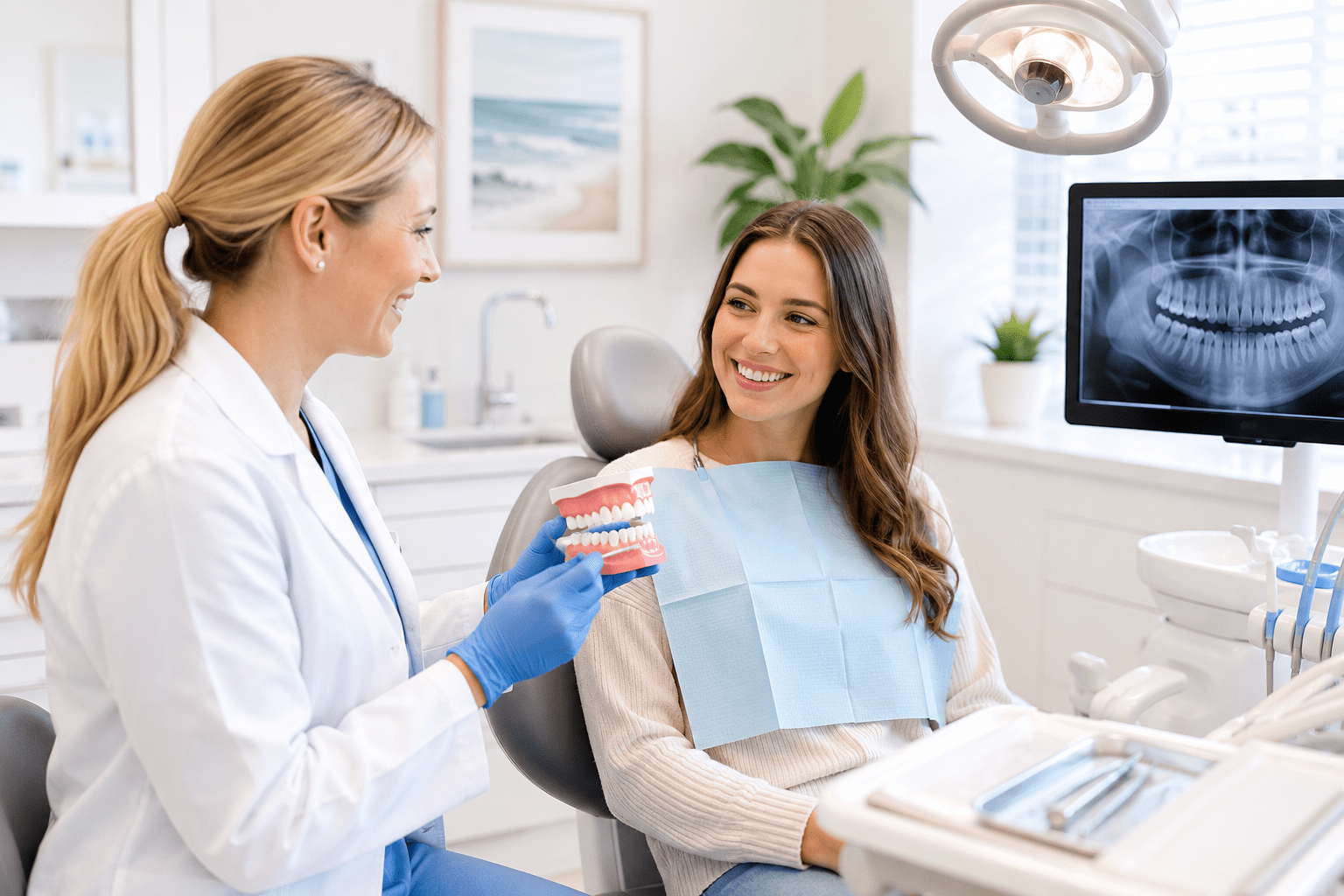
You face a sudden toothache, broken tooth, or lost filling — and you need care fast. Emergency dental services in Scottsdale, AZ provide same-day treatment for severe pain, trauma, and infections so you can get relief and protect your smile.
A neighborhood dental expert explains how to recognize urgent problems, what treatments you might receive, and how appointments typically proceed, so you know what to expect when you walk in. The article also covers preventing future crises, choosing the right Scottsdale emergency dentist, payment and insurance options, and special steps for children and seniors to keep your whole family prepared.
Recognizing Dental Emergencies
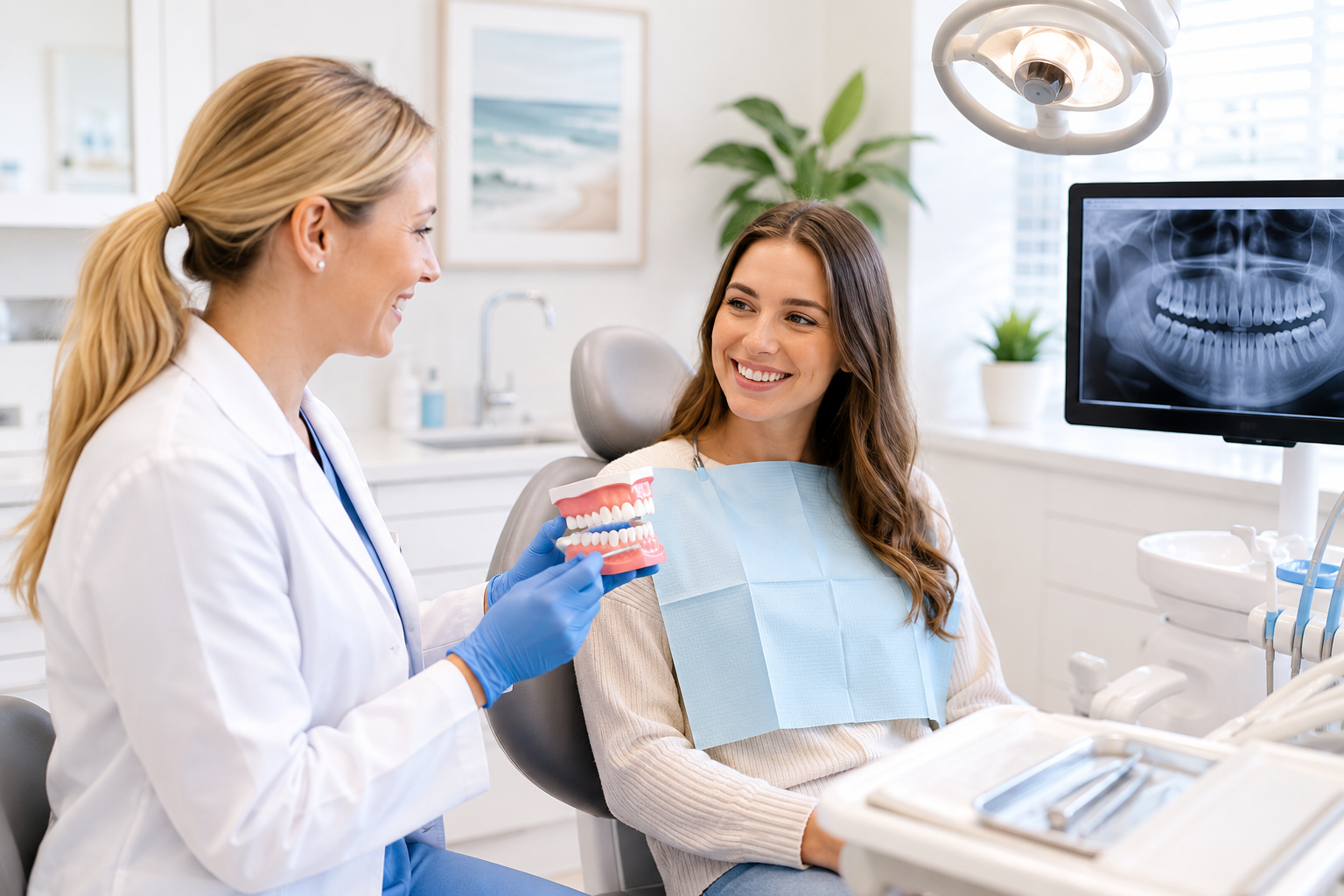
This section highlights clear signs that a dental problem needs fast professional care, explains how urgent issues differ from those that can wait, and tells when to contact a dentist or emergency clinic immediately.
Common Signs You Need Immediate Care
Severe pain that wakes a person from sleep or prevents normal activities often signals an emergency. Pain that increases steadily over hours, rather than coming and going, can indicate an infection or deep decay requiring prompt treatment.
Visible bleeding that does not stop after 10–15 minutes of firm pressure is urgent. So is a knocked-out tooth; if the tooth can be recovered, keep it moist and see a dentist within an hour for the best chance of reimplantation.
Swelling of the face, jaw, or neck—especially if it affects breathing or swallowing—suggests spreading infection and needs immediate evaluation.
High fever accompanying oral symptoms increases concern for systemic infection.
A broken tooth causing sharp edges that cut the tongue or cheek, or a loose tooth after trauma, should receive same-day attention to prevent further damage.
Differences Between Urgent and Non-Urgent Dental Issues
Urgent dental problems threaten health, function, or aesthetics within hours to days. Examples include uncontrolled bleeding, severe infections, trauma with tooth displacement, and acute nerve pain that stops daily functioning. These typically require emergency dental services or hospital care.
Non-urgent issues cause discomfort but can safely wait for a scheduled appointment. Examples include mild tooth sensitivity to cold, a lost filling without pain, cosmetic chipping that doesn’t affect bite, or chronic low-level gum bleeding.
Urgency also depends on patient factors: diabetes, compromised immunity, pregnancy, or heart conditions can convert a normally non-urgent problem into an urgent one. Communicate medical history when calling a dental office so staff can prioritize appropriately.
When to Seek Help Right Away
Contact an emergency dental office or go to an emergency room when any of these occur: uncontrolled oral bleeding, severe facial swelling with difficulty breathing or swallowing, a tooth knocked completely out, or a jaw injury causing misalignment or inability to close the mouth.
If an infection produces fever above 101°F (38.3°C), spreading redness, or rapidly increasing pain, seek same-day care to reduce the risk of systemic spread.
For severe pain that cannot be managed with over-the-counter analgesics and affects eating or sleep, call a dentist for immediate consultation.
When in doubt, call a local emergency dental clinic; staff can triage symptoms, advise on temporary home care, and arrange urgent appointments.
Types of Emergency Dental Treatments
Patients can expect fast pain control, tooth stabilization, and same-day repairs that prioritize saving the tooth when possible. Treatments range from medication and temporary restorations to root canal therapy and timely reimplantation.
Pain Relief and Swelling Management
Emergency clinics in Scottsdale typically begin with a focused exam and targeted pain control. Providers use local anesthetic for immediate relief and may offer short courses of NSAIDs or prescription analgesics when inflammation or severe pain persists.
When infection or abscess causes swelling, treatment often combines antibiotics with drainage or root canal therapy. Dentists evaluate swelling for airway risk; any signs of rapid spread, fever, or difficulty swallowing trigger urgent referral to emergency medical services.
Ice, elevation, and soft-food recommendations help reduce discomfort while definitive care proceeds. Dentists also adjust or remove irritants—sharp fillings, broken crown edges, or ill-fitting dental appliances—that exacerbate pain.
Broken or Knocked-Out Teeth Solutions
For cracked teeth, dentists assess fracture depth and pulp involvement using clinical tests and x-rays. Small chips can be smoothed and bonded; larger vertical or deep fractures may require root canal therapy followed by a crown to restore strength and function.
A knocked-out (avulsed) permanent tooth demands immediate action: keep the tooth moist in milk or a specialized storage solution and seek care within 30–60 minutes for the best chance of reimplantation. The dentist cleans the socket, repositions the tooth, and splints it to adjacent teeth while monitoring root healing.
For teeth with partial displacement, repositioning and splinting stabilize the tooth, then follow-up care includes splint removal, pulp vitality checks, and possible root canal treatment. Pediatric management differs; primary teeth are rarely reimplanted due to risk to developing permanent teeth.
Repairing Lost Fillings and Crowns
Lost fillings and crowns expose dentin and increase sensitivity, so emergency clinics often place temporary restorations the same day. Dentists clean the area, remove decay if present, and use durable temporary materials to protect the tooth and restore function until a definitive restoration is fabricated.
If a crown is lost but intact, re-cementation can often occur that day after cleaning and evaluating fit. When the crown is damaged or the underlying tooth is compromised, the dentist recommends a new crown—choosing between porcelain, zirconia, or metal options based on bite forces and esthetic needs.
Patients receive instructions to avoid sticky or hard foods and maintain meticulous oral hygiene around the temporary. Follow-up appointments schedule permanent restoration placement and any needed root canal or core buildup work.
What to Expect During an Emergency Visit
Patients can expect a focused, efficient visit that emphasizes immediate pain control, accurate diagnosis, and a clear plan for treatment or follow-up. Staff prioritize comfort, use modern imaging, and explain options in plain language so patients leave with reduced pain and a next-step plan.
Initial Assessment and Comfort Measures
The team begins with a targeted history and brief oral exam to identify the problem quickly. They ask when the pain started, what triggers it, any swelling, fever, or recent dental work.
Clinicians check vital signs when swelling or infection is suspected and document medications and allergies to avoid interactions.
Pain control is immediate. Staff offer localized anesthetic, oral analgesics, or prescribe antibiotics if an infection is present. They may place a temporary dressing or perform a pulpotomy to stop severe toothache.
For traumatic injuries, they evaluate soft-tissue cuts, tooth mobility, and whether a tooth is displaced or knocked out, stabilizing loose teeth with a splint when indicated.
The front-desk coordinates insurance, estimates, and consent to streamline treatment. They explain any urgent procedures, expected discomfort, and aftercare instructions before beginning treatment.
Staff also schedule follow-up appointments for definitive care like crowns, root canals, or extractions as needed.
Modern Diagnostic Tools Used
Modern clinics use digital X-rays and cone-beam CT (CBCT) scans to pinpoint fractures, root morphology, and hidden infections. These images appear quickly on a monitor and help the dentist choose the least invasive option.
Intraoral cameras offer close-up views so patients can see cracks, decay, or gum problems; the dentist uses these images to explain findings and proposed treatments.
Pulp vitality tests and percussion tests help determine whether a tooth needs root canal therapy. Thermal testing identifies nerve inflammation, while electrical pulp testing measures nerve response.
For facial swelling, ultrasound or imaging helps distinguish abscesses from cellulitis and guides whether immediate drainage or hospital referral is necessary.
The practice documents findings in the electronic record and preserves images for follow-up comparisons. This reduces repeat exposures and speeds coordinated care with specialists when referrals are required.
Personalized Treatment Planning
After diagnosis, the dentist outlines short-term and definitive options with clear pros, cons, and cost estimates. They present choices such as conservative temporization, same-day extraction, or emergency root canal, explaining likely outcomes and timelines.
Decisions factor in the patient’s medical history, work or travel plans, and cosmetic concerns; for example, front-tooth injuries often prioritize immediate splinting and esthetic provisional restorations.
The team provides written aftercare: pain medication schedules, signs of worsening infection, and dietary restrictions. They arrange follow-up visits for permanent restorations or specialist referrals for oral surgery or endodontics when necessary.
Staff also discuss prevention steps—night guards for cracked-tooth syndrome or fluoride treatments for recurrent decay—to reduce future emergencies and protect long-term oral health.
Preventing Future Dental Crises
Preventing emergencies focuses on daily habits and routine care that reduce risk of pain, infection, and sudden tooth loss. Small changes—like using a night guard or seeing a dentist every six months—cut the chance of an urgent visit.
Tips for Protecting Your Smile
- Brush twice daily with a fluoride toothpaste for two minutes each time.
Use a soft-bristled brush and gentle circular motions to avoid enamel wear and gum recession. - Floss once a day, reaching below the gumline to remove plaque that causes cavities and abscesses.
Interdental brushes or water flossers help where tight contacts or braces make flossing hard. - Wear a fitted mouthguard for sports and a custom night guard for grinding (bruxism).
Over-the-counter guards help short-term, but custom appliances from a dentist protect teeth better and reduce jaw pain. - Avoid hard foods (ice, unpopped popcorn kernels) and use scissors, not teeth, to open packages.
These habits prevent chips, cracks, and sudden crown failures. - Limit sugary snacks and acidic drinks; rinse with water after consuming them.
Frequent sugar and acid exposure weakens enamel and increases risk of decay that can progress to emergencies.
How Regular Checkups Help Avoid Emergencies
Routine dental exams every six months let a dentist detect small problems before they become urgent.
X-rays reveal hidden decay, failing root canal teeth, and developing cysts that cause sudden pain if untreated.
Professional cleanings remove hardened tartar that home care cannot, lowering gum disease risk and potential tooth loss.
Dentists can apply fluoride varnish or dental sealants to strengthen teeth vulnerable to cavities.
During checkups, clinicians screen for bruxism, ill-fitting restorations, and early signs of infection.
They provide personalized plans—repairing a cracked tooth, replacing a failing filling, or recommending a night guard—to prevent an emergency visit.
Questions about symptoms or protective options should prompt a call to the dental office for timely guidance and treatment.
Choosing the Right Emergency Dentist in Scottsdale
Choose a dentist who responds quickly, communicates clearly, and accepts your insurance or offers transparent self-pay options. Prioritize practices that list hours, emergency contact methods, and accepted payment plans on their website.
Qualities of a Trustworthy Dental Provider
Look for dentists with current Arizona licensing and memberships in professional groups such as the Arizona Dental Association or ADA. Licensure verifies training and legal standing; association membership signals commitment to continuing education.
Confirm the clinic’s emergency availability—same-day or after-hours phone lines and weekend hours matter most. Check that the office provides on-site X-rays and digital imaging to speed diagnosis and treatment.
Assess infection control and sedation options. Modern sterilization protocols and clear information about local anesthesia, nitrous oxide, or oral sedation help patients feel safe and calm. Read recent patient reviews that mention punctuality, staff bedside manner, and pain control.
Verify insurance participation and transparent pricing. A trustworthy provider posts common emergency fees or offers an estimate after a brief phone triage. If travelling, confirm they accept major carriers or provide a clear self-pay fee schedule.
Questions to Ask Before Your Appointment
Ask directly: “Do you offer same-day emergency slots and what is the expected wait time?” This clarifies whether the clinic can treat acute pain quickly.
Request details on diagnostics and treatment steps: “Will you take X-rays immediately, and which procedures are likely in an urgent visit?” Knowing whether they can perform extractions, temporary crowns, or root canal starts prevents surprises.
Discuss pain management and sedation: “What pain control methods and sedation options are available, and are there additional costs?” This helps patients plan for comfort and safety, especially with dental anxiety.
Clarify costs and insurance: “What is the typical out-of-pocket cost for my issue, and which insurers do you accept?” Also ask about payment plans and whether they submit claims on the patient’s behalf.
Confirm follow-up care: “Do you provide post-emergency follow-up or referrals to specialists for definitive treatment?” Reliable clinics arrange continued care and communicate next steps clearly.
Navigating Insurance and Payment Options
Patients should expect to check in on plan benefits, out-of-pocket costs, and emergency coverage before treatment. Clear communication about fees and payment methods helps avoid surprises during urgent care.
Understanding Dental Coverage for Emergencies
Many PPO and DHMO plans cover emergency exams and pain relief, but coverage for procedures like root canals, extractions, or crowns varies widely. Patients should verify emergency visit allowances, deductible status, and annual maximums by calling the insurer or checking the plan portal before arriving.
If the emergency occurs after hours or at an urgent-care dental clinic, some plans limit reimbursement or require pre-authorization. In-network providers typically offer lower patient responsibility; out-of-network care may incur higher balances or require the patient to file claims for reimbursement.
Keep documentation: itemized receipts, CDT procedure codes, and the dentist’s notes. These speed claims and appeals if a claim is denied. Ask the clinic staff to estimate patient portions for likely procedures and to submit claims electronically.
Alternative Payment Solutions
Clinics often accept cash, major credit cards, and debit. Many Scottsdale emergency dental offices also offer financing through third-party providers like CareCredit or in-house payment plans that split balances into monthly installments.
Patients without insurance can request a written treatment estimate and discuss staged care—prioritizing immediate pain control and stabilizing treatment, then scheduling restorative work. Some offices maintain a sliding fee scale or offer discounts for paying at the time of service.
For high-cost emergencies, compare financing terms: interest rate, deferred-interest windows, and monthly minimums. Request written terms and confirm no surprise fees. If cost is a barrier, the clinic can often point to local low-cost clinics or charitable programs that assist with urgent dental needs.
Supporting Children and Seniors in Dental Emergencies
Quick, practical steps and calm communication reduce fear and improve outcomes for both children and older adults. Focus on immediate pain control, preserving teeth or restorations when possible, and arranging prompt professional care.
Care Tips for Kids Facing Dental Trauma
When a baby tooth is knocked loose, avoid forcing it back into place; have the child rinse gently and apply a cold pack to the cheek to limit swelling. For a permanent tooth that is knocked out, find the tooth by the crown (not the root), rinse it gently with saline or milk if dirty, and attempt reinsertion into the socket if the child will tolerate it; otherwise store the tooth in milk or saliva and get to the dentist within 30–60 minutes.
Control bleeding with firm but gentle pressure using a clean cloth or gauze. Offer age-appropriate analgesics (acetaminophen or ibuprofen) per dosage guidelines and avoid aspirin for children. Keep the child calm: explain steps in simple language, distract with a favorite toy or story, and reassure them that the dentist can often repair or replace the tooth.
Watch for signs of concussion (vomiting, disorientation, prolonged drowsiness) after a blow to the head and seek emergency medical care if present. Schedule a dentist visit even for minor chips—x-rays and monitoring can prevent infection or growth-related problems later.
Special Considerations for Older Adults
Older adults often have restorations, root exposure, and slower healing, so preserve any broken crowns, dentures, or bridge parts and bring them to the clinic. If a tooth or implant becomes painful or mobile, control bleeding with gauze, avoid hard foods, and arrange urgent dental assessment; infections can progress faster in patients with diabetes or on immunosuppressive medications.
Manage pain with recommended dosages and check for drug interactions, especially with blood thinners or multiple prescriptions. For ill-fitting dentures that cause sores, remove them until evaluated and use salt-water rinses to reduce bacteria. Communicate clearly about medical history, current medications, and any mobility or cognitive limitations so the dental team can tailor treatment and coordinate with primary care when needed.
Consider transportation and at-home care needs when planning follow-up; many practices offer flexible scheduling or mobile/assistive services for seniors.
How to Prepare for Unexpected Dental Issues
Keep a small emergency kit ready at home and in the car. Include gauze, over-the-counter pain relievers, a small container for a knocked-out tooth, and the phone number of a trusted Scottsdale emergency dentist.
Know the basics of immediate care for common emergencies. If a tooth is knocked out, gently rinse it and try to reinsert it, or keep it in milk; for severe pain or swelling, apply a cold compress and call promptly.
Confirm dental insurance details and understand out-of-pocket limits. Having insurance card images saved on a phone speeds check-in, while a designated emergency fund covers treatments that insurance might not.
Choose a local emergency dentist before an issue arises. Reading reviews and calling the office to ask about after-hours policies gives peace of mind and reduces delays when time matters.
Practice simple preventive habits to lower emergency risk. Regular checkups, wearing a mouthguard for sports, and avoiding hard-chewing behaviors help prevent many urgent problems.
Keep a concise medical history sheet accessible. Note medications, allergies, and recent surgeries — this information helps emergency staff make safer, faster decisions.
Encourage readers to call at the first sign of trouble. Prompt professional attention often preserves teeth and reduces complications, and most Scottsdale practices will guide patients through next steps.
Frequently Asked Questions
This section answers common urgent dental concerns: when to seek immediate care, practical home comfort measures, appointment availability, timelines for saving damaged teeth, financial options without insurance, and AHCCCS acceptance and required documents.
What counts as a true dental emergency, and when should I go in right away?
A true dental emergency includes uncontrolled bleeding, severe facial swelling, a tooth knocked completely out, and trauma that affects breathing or swallowing. Intense, unrelenting pain accompanied by fever or spreading swelling also requires immediate attention.
Less urgent problems include mild sensitivity, a small chip without pain, or a loose filling; those can often wait for the next business day. When in doubt, call the dental office for triage advice so the team can prioritize care appropriately.
If I have a severe toothache, what can I do at home to stay comfortable until I’m seen?
Rinse with warm salt water to reduce inflammation and clean the area; mix about 1/2 teaspoon of salt in 8 ounces of water. Use over-the-counter ibuprofen or acetaminophen according to the package directions to control pain.
Apply a cold pack on the cheek for 15-minute intervals to reduce swelling. Avoid very hot, cold, or sugary foods and do not place aspirin directly on the gum or tooth.
Do you offer same-day or after-hours appointments for urgent dental problems?
Many Scottsdale dental offices reserve slots for same-day urgent needs and maintain an on-call clinician for after-hours emergencies. Patients should call the office’s emergency line; staff will confirm availability and advise whether to come in or go to an emergency room.
Offices that advertise emergency care often post their after-hours protocol and fees online. Confirm appointment options and any extra charges when you call.
How quickly can you treat a broken, chipped, or knocked-out tooth to improve the chances of saving it?
For a knocked-out permanent tooth, treatment within 30 minutes to an hour offers the best chance of reimplantation success. Bring the tooth saved in milk, saline, or the patient’s saliva; avoid touching the root.
Chips and breaks are usually stabilizable the same day with bonding or a crown depending on severity. Call immediately so the team can prepare materials and allocate an urgent appointment.
What are my options if I need urgent dental care but don’t have insurance?
Many practices offer a sliding fee scale, cash-pay discounts, or a dental membership plan that reduces per-visit costs. Community health clinics and dental schools in the Phoenix area sometimes provide urgent care at reduced rates.
Ask the office about a written estimate, payment plans, or financing options like third-party medical/dental credit. Some practices accept major credit cards and offer temporary emergency repairs to manage pain until definitive care is affordable.
Do you accept AHCCCS for adult emergency dental visits, and what should I bring to my appointment?
Several Scottsdale providers accept AHCCCS for adult emergency services, but coverage varies by plan and provider. Call ahead to verify acceptance and which AHCCCS benefits they will apply to the visit.
Bring a photo ID, AHCCCS card, and any referral or prior authorization if applicable. If unsure about coverage, the office’s billing staff can confirm benefits and estimate any patient portion before treatment.