
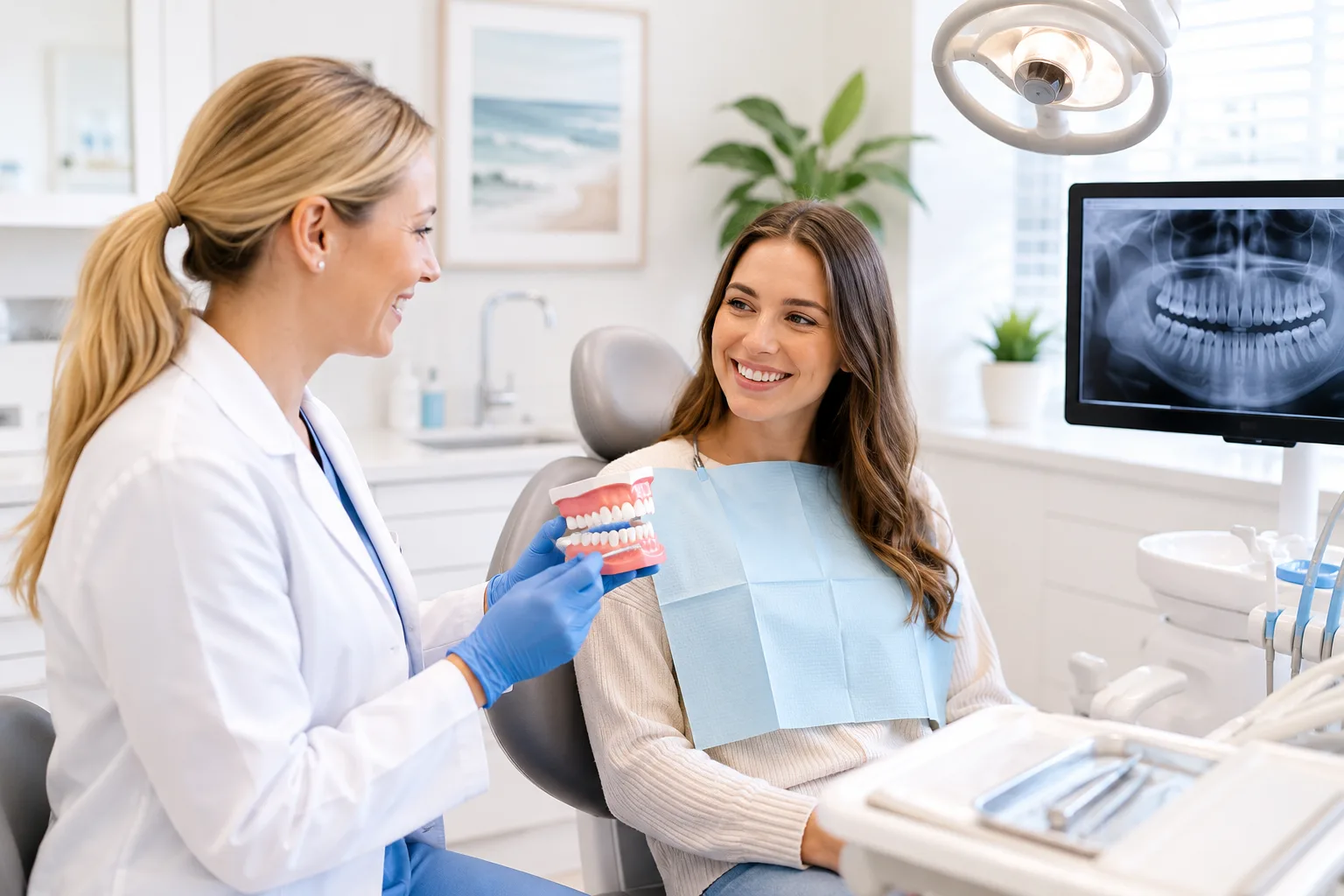
A bright, balanced smile can help someone feel more comfortable in photographs, conversations, and everyday life. For people bothered by stains, small chips, uneven edges, or gaps between teeth, dental veneers may offer a customized cosmetic solution.
Patients searching for veneers in Scottsdale, AZ, often have practical questions: Will the result look natural? Does the procedure hurt? How much tooth structure must be changed? And how should someone choose the right cosmetic dentist?
This guide explains the essentials in straightforward language so patients can approach a veneer consultation with realistic expectations and informed questions.
What Are Dental Veneers?
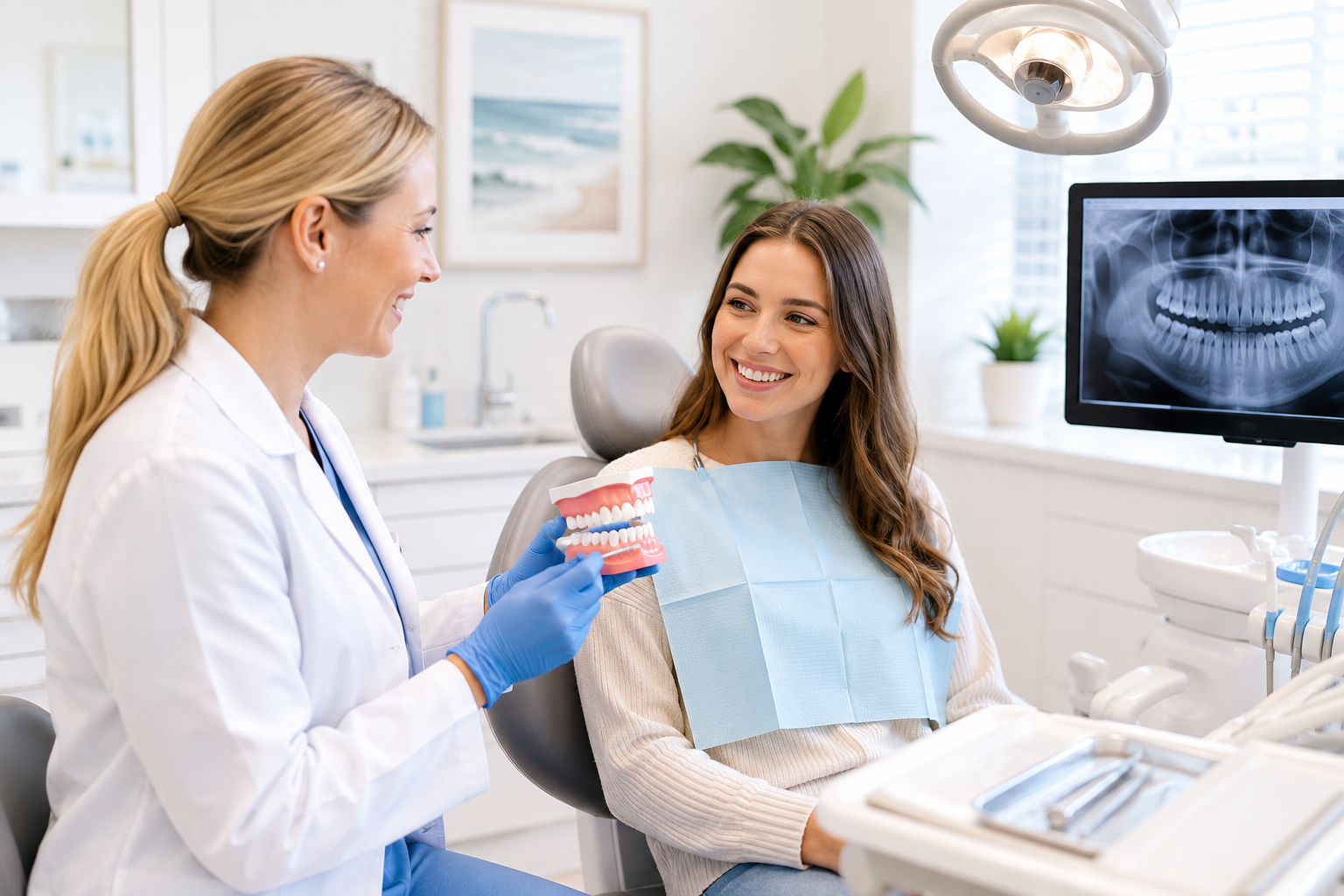
Veneers are thin, custom-made coverings placed over the visible front surfaces of teeth. They are designed to change selected aspects of a tooth’s color, size, shape, or apparent position while creating a smile that fits the patient’s facial features.
Porcelain veneers are a popular option because dental porcelain can be layered and shaded to resemble natural enamel. Rather than creating a single flat shade, a carefully designed veneer can include the subtle color variation and light-reflecting qualities seen in healthy teeth.
Every veneer case is different. One person may need a single veneer to improve a visibly chipped tooth, while another may consider veneers across several teeth to create greater symmetry. More veneers do not automatically produce a better result. The goal is to treat only the teeth that need attention while keeping the smile in proportion.
What Can Veneers Change?
Depending on the condition of the teeth and the patient’s goals, a dentist may consider veneers for cosmetic concerns such as:
- Discoloration that does not respond as desired to whitening
- Small chips or worn-looking edges
- Minor gaps between visible teeth
- Teeth that appear short, narrow, or uneven
- Mild differences in tooth shape or alignment
- Older cosmetic work that no longer blends naturally
Veneers are not the right answer for every cosmetic concern. Whitening may be enough when color is the only issue. Dental bonding may suit a small repair, and orthodontic treatment may be more appropriate when tooth movement or bite correction is needed. A crown may be considered when a tooth requires more extensive structural restoration.
A thoughtful cosmetic consultation should compare these options instead of assuming veneers are the only path to a better smile.
Who May Be a Candidate for Porcelain Veneers?
Potential candidates generally need healthy teeth and gums, enough suitable tooth structure to support the restorations, and realistic expectations about the result and upkeep. The dentist will also evaluate how the upper and lower teeth come together.
Active cavities, gum inflammation, significant enamel loss, or uncontrolled clenching and grinding can affect treatment planning. These concerns do not necessarily rule out cosmetic care, but they may need to be addressed before veneers are considered.
Habits matter as well. Biting fingernails, chewing ice, or using teeth to open packages can damage natural teeth and restorations. Patients who grind their teeth may need a different treatment approach or a protective appliance, depending on the dentist’s findings.
What to Expect During the Veneer Process
1. Consultation and oral health evaluation
The process begins with a conversation about what the patient likes and dislikes about their smile. Clear communication is important. A request for “whiter teeth,” for example, can mean anything from a subtle refresh to a noticeably brighter shade.
The dentist examines the teeth, gums, existing dental work, and bite. Diagnostic photographs, scans, impressions, or X-rays may be recommended according to the individual case. This evaluation helps identify concerns that could influence the design or long-term care of the veneers.
2. Smile planning
Veneers should complement the entire face, not look like identical white tiles. The dentist considers tooth proportions, gum contours, lip movement, shade, surface texture, and how much tooth shows when the patient smiles and speaks.
Depending on the case, the patient may be able to review a digital preview, model, or trial design. A preview is a planning and communication tool rather than a guarantee of an exact final appearance.
3. Tooth preparation and temporary veneers
Some veneer plans require removal of a conservative amount of tooth structure so the restorations do not look bulky. The amount varies by tooth position, material, existing shape, and desired result. Claims of “no-prep” or “minimal-prep” veneers should always be evaluated in the context of the individual mouth.
When preparation is needed, local anesthetic may be used for comfort. Temporary veneers may then be placed while the custom restorations are being made. Temporary restorations can help protect prepared teeth and give the patient an early sense of the proposed shape, although they usually do not have the same finish as the final porcelain.
4. Final placement
Before final placement, the dentist evaluates the veneers’ fit, color, shape, and relationship to the surrounding teeth. The patient should have an opportunity to discuss the appearance before the restorations are bonded.
Once approved, the veneers are attached using dental bonding materials. The dentist then checks the bite and makes any appropriate refinements. Follow-up care may be recommended to confirm that the gums, bite, and restorations are responding as expected.
Do Veneers Look Natural?
Natural-looking veneers depend on much more than choosing a shade. Teeth have subtle variations in translucency, brightness, texture, and contour. The best design for one person may not suit another.
Patients who want an understated result can say so directly. Useful phrases include “natural,” “soft,” “age-appropriate,” or “not overly bright.” Bringing photographs that demonstrate preferred features can also improve communication, although another person’s exact smile cannot simply be copied onto a different face.
Patients should ask to see examples of the dentist’s veneer work and pay attention to whether the finished smiles show variety. Customized results should reflect each patient rather than repeating one standard shape.
Comfort, Risks, and Recovery
Patient comfort can be supported with clear explanations, local anesthetic when appropriate, breaks during treatment, and a plan tailored to the patient’s needs. Anyone with dental anxiety should mention it during the consultation rather than waiting until treatment begins.
Some patients may notice temporary temperature sensitivity or gum tenderness following treatment. Any discomfort that is severe, worsening, or accompanied by swelling should be reported promptly to the treating dentist.
Veneers also have limitations. Porcelain can chip or fracture, the edge of a restoration may become visible if the gums change, and the underlying tooth can still develop dental disease. Prepared teeth may require restorations going forward, so the decision should be made carefully. No dentist can promise that veneers will last forever or remain maintenance-free.
How to Care for Veneers
Veneers still rely on healthy teeth and gums. Daily brushing with a non-abrasive fluoride toothpaste, cleaning between the teeth, and attending recommended dental visits all remain important.
Patients should avoid using veneered teeth as tools and should ask their dentist before using highly abrasive whitening products. Whitening does not change the shade of porcelain in the same way it changes natural enamel, so future color changes should be discussed before treatment whenever possible.
If clenching or grinding is a concern, the dentist may discuss a protective nightguard. The right recommendation depends on the bite, habits, and type of restorations present.
How Much Do Veneers Cost in Scottsdale?
There is no universal price for veneers because treatment is customized. The total investment may be influenced by the number of teeth treated, the material selected, the complexity of the design, laboratory work, diagnostic records, temporary restorations, and whether other dental care is needed first.
Patients should request a written treatment plan that explains what the fee includes. It is also helpful to ask about payment options and whether future repairs or replacements are included. Because veneers are often chosen for cosmetic reasons, insurance coverage may be limited or unavailable; however, benefits vary by plan and should be verified directly.
Price is important, but it should not be the only deciding factor. Veneers change both the appearance and structure of teeth. Careful diagnosis, conservative planning, clear communication, and dependable follow-up all contribute meaningful value.
Choosing a Veneer Dentist in Scottsdale, AZ
A productive consultation should feel educational rather than rushed. Patients can ask:
- Why are veneers recommended instead of bonding, whitening, orthodontics, or crowns?
- How many teeth would need treatment, and why?
- How much tooth preparation is expected?
- Can examples of similar veneer cases be reviewed?
- How will the proposed shape and shade be evaluated before final bonding?
- What are the main risks and alternatives in this case?
- What maintenance may be needed in the future?
- What happens if a veneer chips, loosens, or no longer matches?
Scottsdale Elite Dentistry provides custom porcelain veneers and comprehensive dental care in Scottsdale, Arizona. The practice emphasizes personalized planning, oral health, function, and patient comfort rather than a one-size-fits-all cosmetic result.
Frequently Asked Questions About Veneers
Are porcelain veneers permanent?
Veneers are intended as a long-term restoration, but they should not be considered lifetime or maintenance-free treatment. When tooth structure is removed, the process generally cannot be reversed by simply taking the veneer off and leaving the tooth untreated. Future repair or replacement may eventually be necessary.
Do veneers stain?
Porcelain responds differently to staining than natural enamel, but the surrounding teeth, veneer margins, and bonding areas still require proper care. Patients should ask their dentist how coffee, tea, tobacco, oral hygiene, and polishing products may affect their particular smile.
Can someone get veneers if they grind their teeth?
Possibly, but grinding can place extra force on teeth and restorations. A dentist must assess the bite, tooth wear, and severity of the habit before recommending treatment. A protective appliance or an alternative plan may be appropriate.
Are veneers painful?
Comfort varies according to the amount of preparation and individual sensitivity. Local anesthetic can be used when appropriate, and the dental team should explain what the patient may feel at each stage. Persistent or increasing pain is not something to ignore and should be evaluated.
How many veneers does a patient need?
There is no standard number. The recommendation depends on which teeth show in the smile, the concern being treated, the condition of nearby teeth, and the desired level of change. Some patients may benefit from one veneer, while others may consider several for a balanced result.
Can veneers fix crooked teeth?
Veneers may visually improve certain minor differences in shape or alignment, but they do not physically move teeth or correct every bite problem. Orthodontic treatment may be the healthier or more conservative option when alignment changes are needed.
Take the Next Step Toward a Personalized Smile
Veneers can create a refined, natural-looking change when they are planned around the patient’s oral health, facial features, and personal preferences. The most important first step is not selecting a shade or deciding how many teeth to treat. It is receiving a careful evaluation and understanding all suitable options.
People considering veneers in Scottsdale, AZ, can contact Scottsdale Elite Dentistry to schedule a cosmetic consultation at its Scottsdale, Arizona, office. Patients are encouraged to bring questions, describe the result they hope to achieve, and learn whether porcelain veneers or another treatment would best support their smile.