
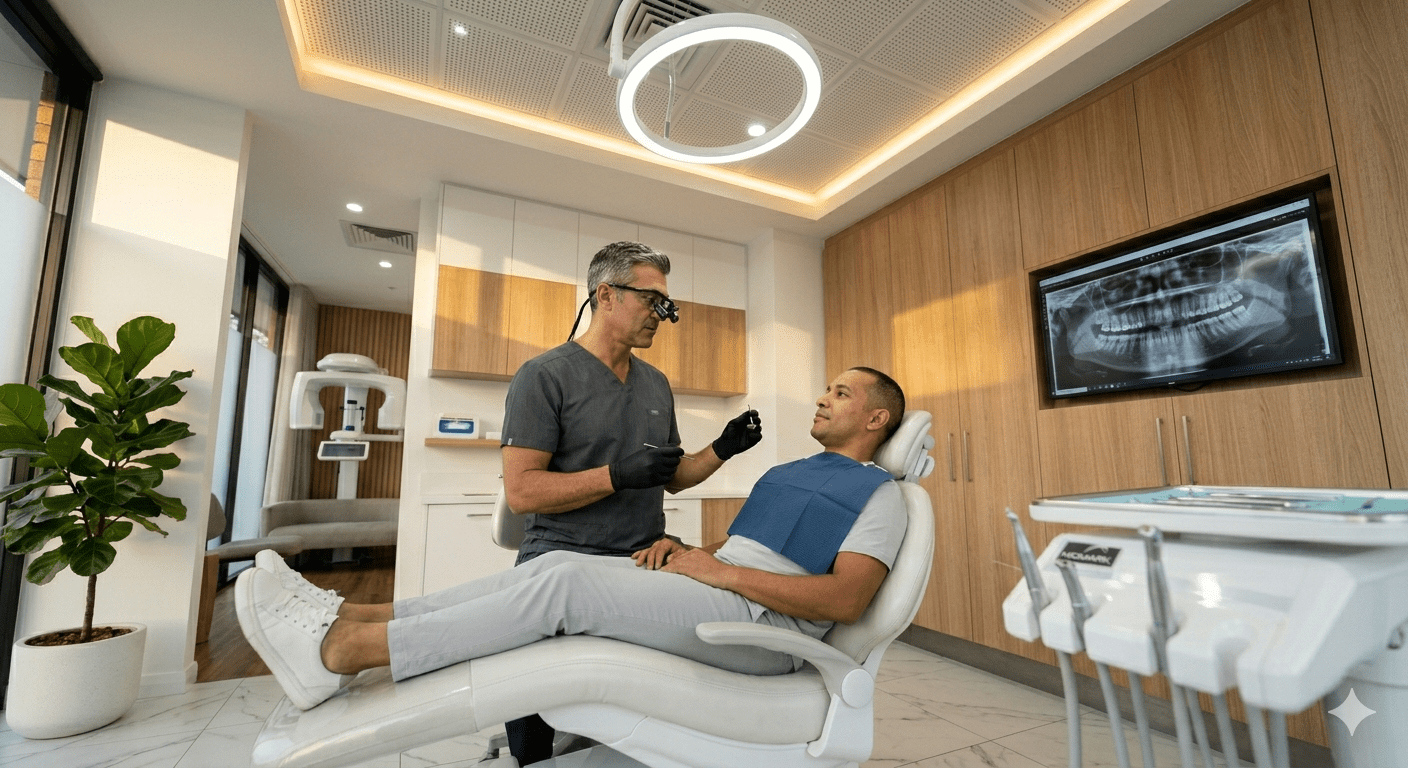
Sedation dentistry in Scottsdale, AZ offers a solution for patients who feel anxious or uncomfortable during dental visits. It uses medication to help patients relax, making procedures easier and less stressful. This approach can be especially helpful for those with dental fears, sensitive teeth, or complex treatment needs.
The techniques range from mild sedation, where patients remain awake but calm, to deeper sedation forms that may cause partial or full sleep. Dentists in Scottsdale tailor sedation levels based on the procedure and individual comfort, prioritizing safety and patient well-being.
If dental anxiety has been holding anyone back, sedation dentistry opens the door to receiving necessary care without fear. Reaching out to a local expert can clarify options and help patients feel prepared and supported before their visit.
Understanding Sedation Options
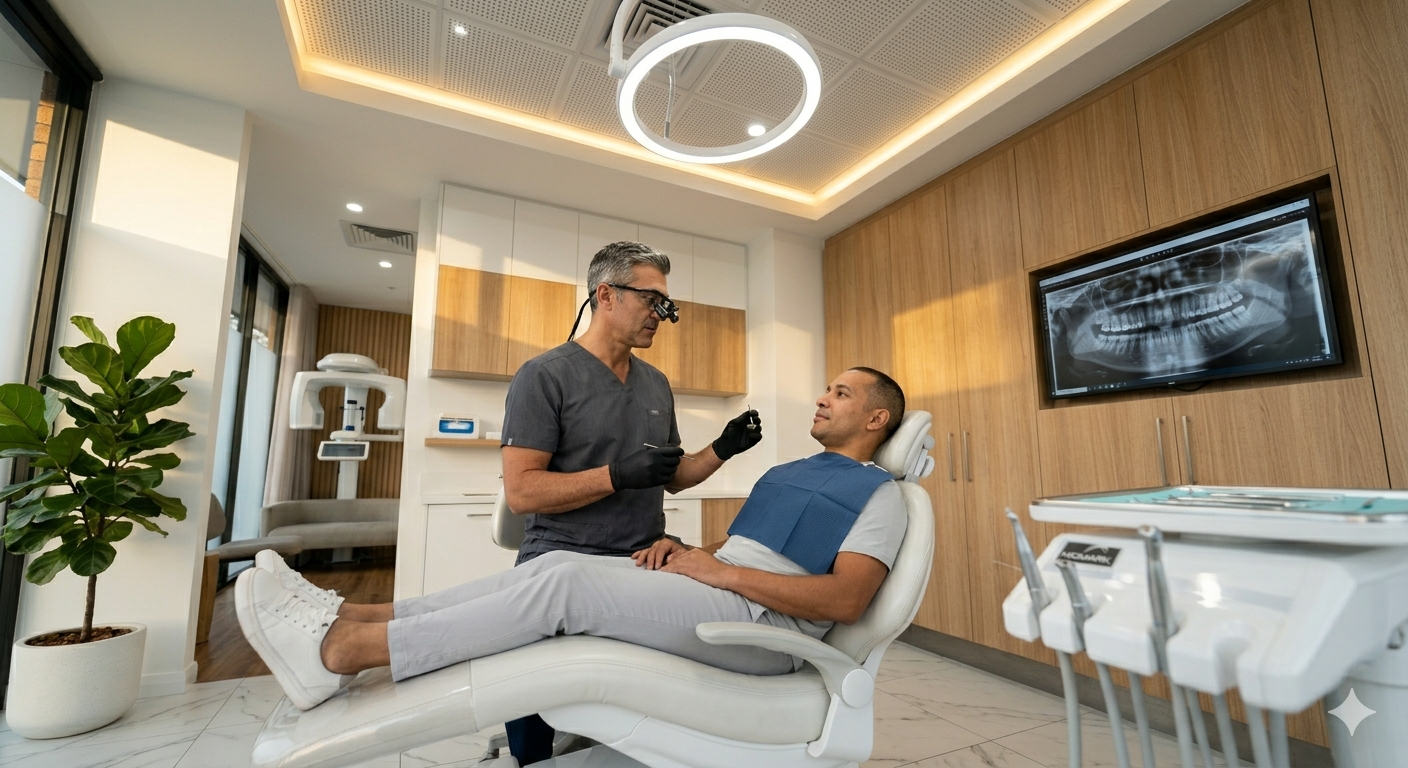
Sedation dentistry offers several methods to help patients feel calm and comfortable during dental treatments. Each approach varies in depth and delivery, so understanding these can make the experience less stressful.
Types of Sedation Methods
Sedation in dentistry typically comes in four forms: nitrous oxide (laughing gas), oral sedation, intravenous (IV) sedation, and general anesthesia. Nitrous oxide is inhaled and works quickly, easing anxiety with little aftereffects. Oral sedation uses pills taken before the appointment to induce mild to moderate relaxation.
IV sedation involves medication delivered directly into the bloodstream, providing a deeper state of calm while retaining some awareness. General anesthesia puts the patient fully to sleep and is used for the most invasive procedures or if other sedation isn’t enough.
Choosing the right type depends on the patient’s anxiety level, medical history, and the complexity of the dental work.
How Sedation Works in Dentistry
When sedation is administered, it slows activity in the central nervous system, reducing anxiety and pain perception. Nitrous oxide acts rapidly on brain receptors to create a light euphoria and relaxation, wearing off soon after.
Oral and IV sedatives interact with neurotransmitters to depress nerve signals, lowering awareness without complete unconsciousness, except in general anesthesia. Throughout the procedure, dental staff closely monitor vital signs to ensure safety.
Sedation also helps patients remain still and comfortable, which benefits both the patient and dentist by allowing more precise work in less time.
Suitability for Different Dental Needs
Sedation suits various treatments, from routine cleanings for anxious patients to longer, more complex procedures like root canals or dental implants. Those with a strong fear of the dentist or a sensitive gag reflex might especially benefit.
Patients with certain medical conditions or medications must be evaluated carefully before sedation is chosen. Children, older adults, and people with disabilities may require tailored sedation plans.
Dentists in Scottsdale AZ often recommend sedation options based on treatment length, patient comfort, and safety to ensure the best possible experience.
Who Benefits from Sedation Dentistry?
Sedation dentistry offers tailored relief to patients who face challenges with routine dental care. It helps manage discomfort and anxiety while enabling smoother treatment, especially when procedures are complicated or when specific health needs are involved.
Dental Anxiety and Fear
Many patients avoid dental visits due to intense fear or anxiety. Sedation dentistry can make these visits less stressful by calming nervousness and reducing sensitivity to pain. It’s especially useful for those with past traumatic experiences or a strong fear of needles and drills.
By gently relaxing the patient, sedation allows dentists to work efficiently without interruptions. It also helps patients feel more in control, making future visits less intimidating. Options range from mild oral sedatives to more controlled intravenous sedation, depending on the level of anxiety.
Patients with Special Healthcare Needs
People with physical disabilities, developmental disorders, or complex medical conditions often require extra care during dental treatment. Sedation helps these patients stay still and comfortable, which is crucial for safe, effective dental work.
Increased muscle control or difficulty understanding instructions can make dental visits stressful or unsafe. Sedation dentistry creates a calmer environment, minimizing movement and stress. This approach often results in better overall outcomes and fewer emergency visits.
Complex or Lengthy Dental Procedures
Long or invasive procedures—such as dental implants, root canals, or multiple crowns—can be uncomfortable or exhausting without sedation. Sedation dentistry eases pain and reduces fatigue during these extended appointments.
Patients benefit from sedation by remaining relaxed and pain-free, which allows the dentist to complete work faster and with greater precision. It also means fewer visits are necessary, as dentists can perform more in one session without patient discomfort.
What to Expect Before Your Appointment
Preparation is key for a smooth sedation dentistry visit. Patients will undergo a thorough review of their health, receive specific instructions to follow beforehand, and have an open conversation about their comfort preferences. These steps help ensure safety and ease during the procedure.
Initial Evaluation and Health History
Before the appointment, the dentist reviews the patient’s complete health history. This includes any chronic conditions, allergies, medications, and previous dental experiences. Understanding these factors allows the dentist to choose the safest sedation method.
Patients may be asked about respiratory or heart issues, as these affect sedation choices. A pre-sedation exam might involve basic vital signs like blood pressure and heart rate. This evaluation helps prevent complications during treatment and tailors the sedation to the individual’s needs.
Pre-Sedation Preparation
Specific guidelines are given to patients before sedation. Often, this means fasting for at least 6 to 8 hours to reduce the risk of nausea or vomiting during treatment. Drinking water might be limited to a small amount a few hours before.
Patients should arrange transportation since sedation affects coordination and alertness. Wearing comfortable clothing and avoiding makeup or jewelry is recommended to ease the process. Clear instructions will be provided on medication management before the appointment.
Discussing Your Comfort Preferences
Dentists encourage patients to talk openly about any fears or concerns. They explain sedation options clearly, including the levels available—from mild relaxation to deeper sedation. This dialogue helps tailor the experience to what the patient feels most comfortable with.
Patients are also asked about any previous sedation experiences to guide technique choices. The dentist emphasizes that patient control and communication are priorities, ensuring a calm atmosphere before and during treatment.
Patient Safety and Monitoring
When sedation is used in dental care, careful attention is given to every step to ensure the patient remains safe and comfortable. Monitoring vital signs and following strict protocols are essential parts of making sedation dentistry a reliable option.
Safety Protocols in Place
Sedation dentistry in Scottsdale follows clear safety protocols designed to protect patients at every stage. Before sedation begins, the dental team reviews medical history and allergies to avoid complications.
During treatment, devices like pulse oximeters measure oxygen levels, heart rate, and blood pressure continuously. This real-time monitoring helps the team respond quickly if any changes occur.
The clinic also keeps emergency equipment, such as oxygen tanks and resuscitation tools, nearby. Staff routinely practices emergency drills to maintain readiness. These measures create a controlled, secure environment throughout the procedure.
Professional Training for Providers
Dentists and staff administering sedation undergo specialized training to handle sedation safely and effectively. Certification programs focus on understanding drug effects, patient reactions, and emergency procedures.
Training includes hands-on practice with monitoring equipment and scenarios involving patient distress or allergic reactions. This expertise reassures patients that they’re in capable hands.
Additionally, providers stay current by attending continuing education courses and conferences. This ongoing learning ensures they use the latest techniques and follow updated safety standards. Patients benefit from a knowledgeable team committed to their well-being during every visit.
Aftercare and Recovery Advice
Proper care after sedation dentistry helps ensure a smooth recovery and reduces discomfort. Patients should follow specific steps right after the procedure and gradually return to their routine while watching for common side effects.
Immediate Post-Procedure Guidance
After sedation, patients often feel groggy and should avoid driving or operating machinery for at least 24 hours. It’s crucial to have a trusted adult accompany them home and stay nearby. Drinking water is recommended to stay hydrated, but avoid hot beverages for a few hours to prevent irritation.
Eating should start with soft foods like yogurt or soup once the numbness wears off. Avoid hard, crunchy, or sticky foods that might disturb treated areas. Rest in a calm, comfortable place to help the body clear the sedative effects.
Resuming Normal Activities
Most patients can resume light activities within 24 hours after sedation dentistry. However, physically demanding tasks should be postponed for 48 hours or until feeling fully alert. Returning to work or school typically depends on individual responses and the complexity of the dental work done.
It’s also important to keep follow-up appointments to monitor healing. Following the dentist’s exact instructions about oral hygiene routines can prevent complications and speed recovery.
Managing Side Effects
Mild side effects like dry mouth, dizziness, or fatigue may occur but usually fade within a day. Sipping water and resting can help ease these symptoms. Some might experience slight swelling or tenderness around the treatment area, which can be relieved with over-the-counter pain medicines if approved by the dentist.
If unusual symptoms such as prolonged nausea, severe pain, or allergic reactions occur, contacting the dental office promptly is essential. Keeping the mouth clean and avoiding tobacco or alcohol supports faster healing.
Choosing the Right Dental Practice in Scottsdale
Selecting the right dental practice for sedation dentistry in Scottsdale is important for comfort and peace of mind. Patients should look for clinics that specialize in sedation techniques and have experienced staff who prioritize gentle care.
It helps to consider the types of sedation offered. For example, oral sedation, nitrous oxide (laughing gas), and IV sedation each suit different needs. A good practice will explain these options clearly and recommend what fits best for each patient’s anxiety level and procedure.
Patient reviews and referrals can provide insight into the quality of care. Friendly staff, clean facilities, and a calm environment make a big difference when you’re feeling nervous.
Here’s a quick checklist to keep in mind:
- Licensed and experienced sedation providers
- Clear explanation of sedation risks and benefits
- Comfortable, modern treatment rooms
- Emergency protocols and safety measures in place
- Positive patient testimonials and before-after examples
If unsure, a consultation visit is a great way to meet the dentist and office team. This can help patients feel more at ease and ask any questions about sedation or dental procedures. Encouraging open communication builds trust, which is key to a successful dental experience.
Comfort-Focused Care for Families
Sedation dentistry in Scottsdale, AZ, is designed to make dental visits easier and less stressful for every family member. It’s especially helpful for children, seniors, or anyone with anxiety about dental procedures.
By using gentle sedation methods, the dental team helps patients relax throughout their treatment. This approach allows for smoother visits, reducing discomfort and making care more comfortable.
Families appreciate how sedation options can shorten appointment times, too. When patients feel calm, dentists can work more efficiently without frequent breaks.
Here are common sedation types offered:
| Sedation Type | Ideal For | Key Benefit |
|---|---|---|
| Nitrous Oxide | Mild anxiety, children | Quick recovery, easy control |
| Oral Sedation | Moderate anxiety, longer visits | Relaxed state, minimal drowsiness |
| IV Sedation | Severe anxiety, complex work | Deep relaxation, rapid effect |
These options allow dentists to customize care to each patient’s needs. Parents can feel reassured knowing their kids are in a safe, comforting environment.
Comfort-focused care in sedation dentistry doesn’t just ease nerves. It encourages consistent dental visits, supporting long-term oral health for the whole family.
Taking the Next Step Toward Stress-Free Dental Visits
Sedation dentistry in Scottsdale, AZ, offers a clear path to more comfortable and relaxed dental experiences. For many patients, it transforms anxiety into calm, making routine treatments feel much more manageable. Whether someone feels nervous about cleanings or needs more extensive work, sedation provides options tailored to their needs.
There are several types of sedation available, each suited for different levels of anxiety:
| Sedation Type | Description | Ideal For |
|---|---|---|
| Nitrous Oxide | Also called laughing gas, quick and mild | Mild anxiety during short visits |
| Oral Sedation | Medication taken by mouth, deeper relaxation | Moderate anxiety or longer procedures |
| IV Sedation | Medication administered intravenously, fast-acting | Severe anxiety or complex treatments |
Patients often find that sedation not only helps them relax but also makes the procedure safer and more efficient. They can breathe easier knowing their comfort is a priority.
If someone is considering sedation dentistry, a consultation is the right next step. The dentist will discuss medical history, fears, and treatment goals to recommend the best sedation plan. It’s a simple way to regain control over dental health without fear.
Encouraging someone to ask questions and express concerns is important. Open communication helps build trust and ensures a smooth experience every time. Scheduling a visit to explore sedation options can be the start of a stress-free dental journey.
Frequently Asked Questions
Sedation dentistry helps patients stay calm and comfortable during dental procedures. Understanding how sedation works, its safety, and what to expect before and after treatment can ease concerns and support a smooth visit.
What does sedation feel like during a dental visit, and will I be aware of what’s happening?
Patients usually feel relaxed, drowsy, or even lightly asleep, depending on the sedation type. Some remain aware but calm, while others have little to no memory of the procedure.
Is sedation a good option if I have dental anxiety or a sensitive gag reflex?
Yes, sedation helps reduce anxiety and can suppress the gag reflex. It makes dental visits easier for those who normally feel uneasy or uncomfortable in the chair.
How do I know which type of sedation is right for my treatment and comfort level?
The dentist will recommend sedation based on the procedure’s complexity, your anxiety level, and medical history. Options include nitrous oxide, oral sedatives, or IV sedation, tailored to your needs.
Is dental sedation safe if I have health conditions like high blood pressure, sleep apnea, or diabetes?
Sedation is generally safe but requires careful evaluation for these conditions. The dentist will review your health history and may coordinate with your doctor to choose the safest sedation method.
What should I do to prepare before a sedation appointment, and how long will recovery take?
Patients should typically avoid eating or drinking for several hours before sedation. Recovery varies but most people feel normal within a few hours after leaving the office.
Will I need someone to drive me home, and when can I return to work or normal activities afterward?
Yes, a responsible adult should drive you home due to sedation’s lingering effects. Returning to work or regular activities usually takes at least 24 hours, depending on the sedation type used.